15 Foods We'd Actually Buy
Matched to WSAVA's manufacturer-trust standard, not just an ingredient panel.
Pet food marketing leans hard on words like "natural" and "premium" that have no regulated meaning in India. Instead of trusting the label, every food here is checked against WSAVA's manufacturer-trust guidelines: does the company employ a qualified nutritionist, run feeding trials, and publish real quality-control data, the same questions a vet would actually ask before recommending a brand.
Showing 15 of 15 picks
Cat Food
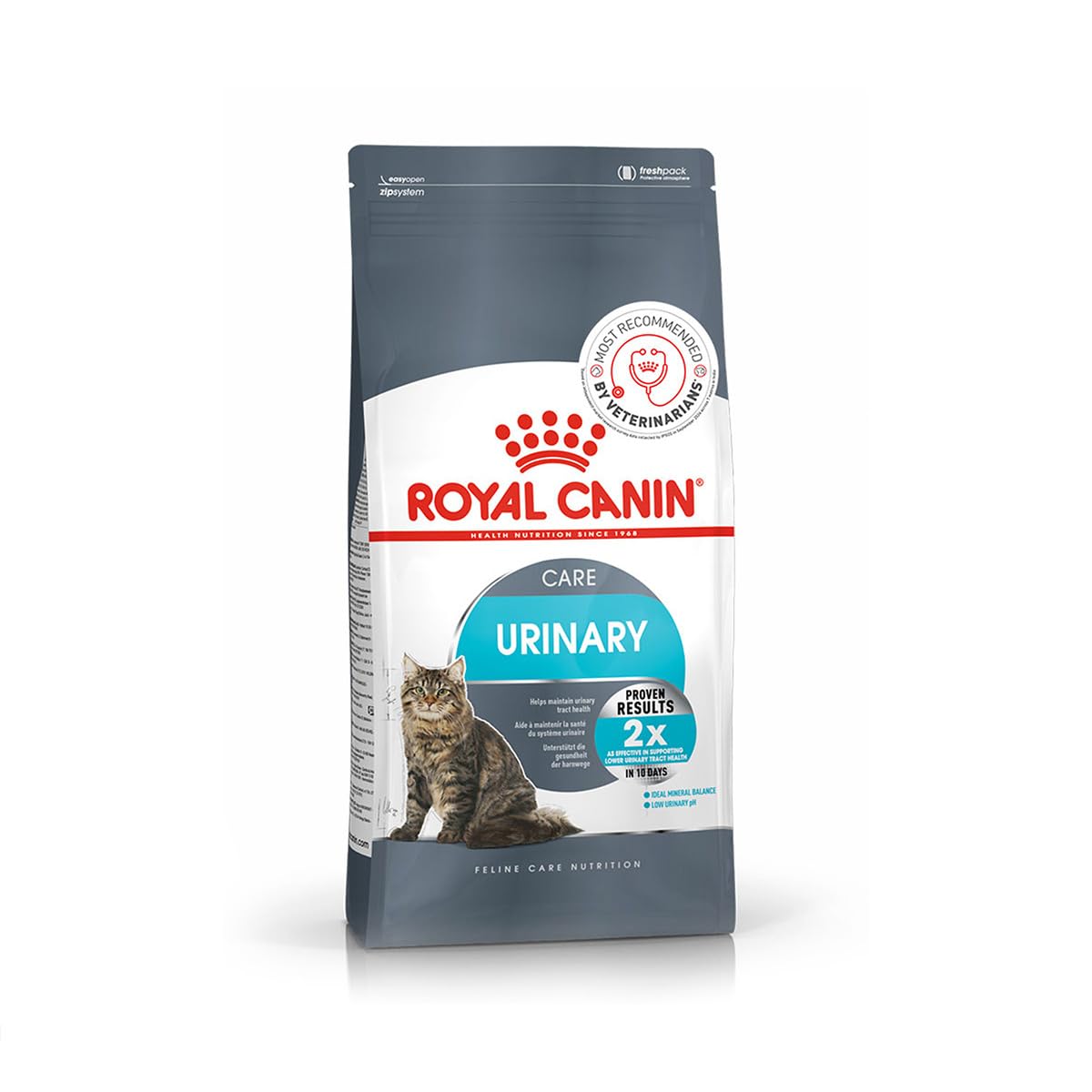
A reasonable place to start if you're unsure
Best for: Indoor cats, especially with any urinary history

Best for: Budget-conscious owners of a generally healthy adult cat

Best for: Cats who are overweight or trending that way, on your vet's advice, not a general everyday food swap

Best for: Adding hydration and variety to a cat's diet, or cats who are picky about dry food alone

Best for: Persian cats specifically: the kibble shape and hairball-control formula are built around this breed
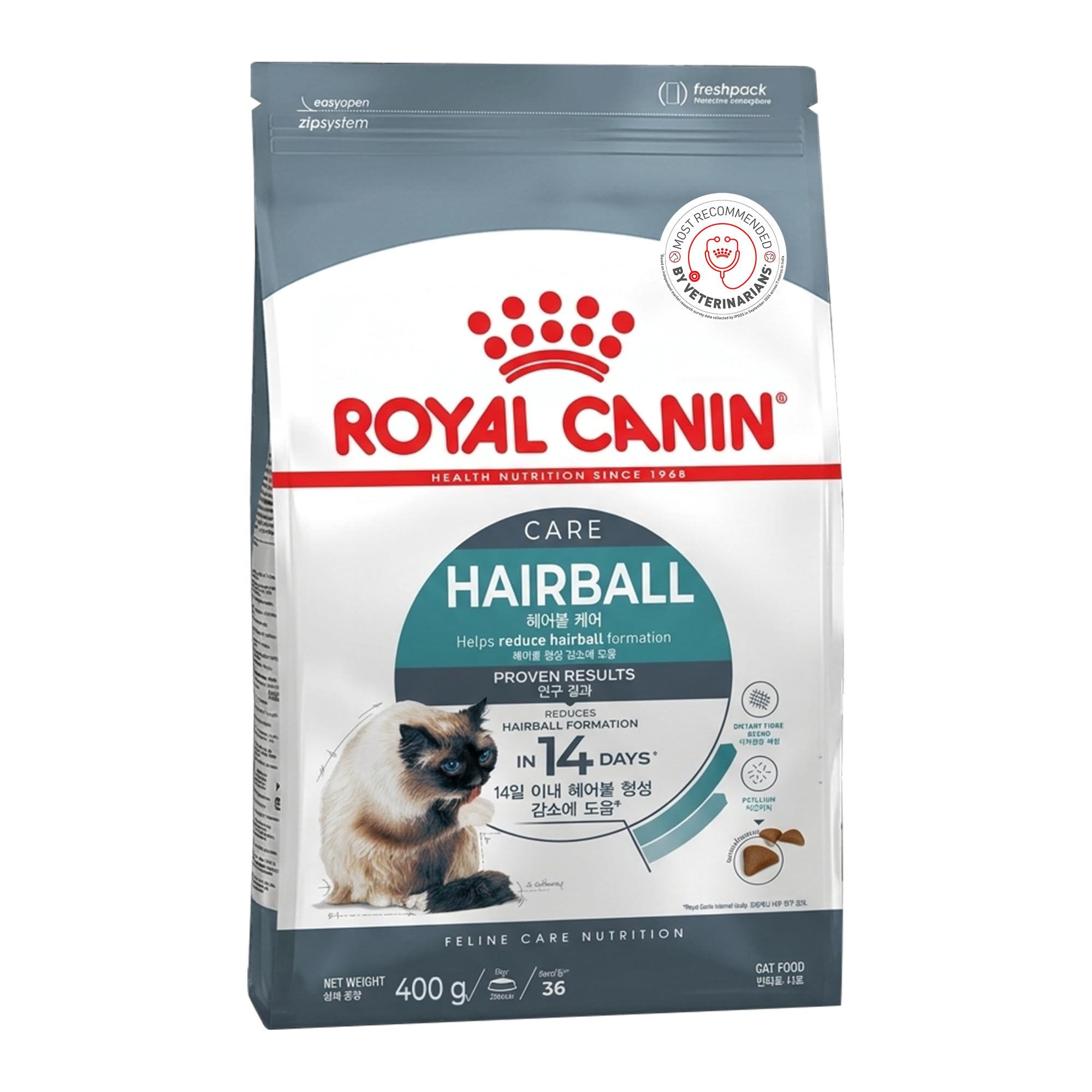
Best for: Cats with a genuine, recurring hairball problem
Dry Food
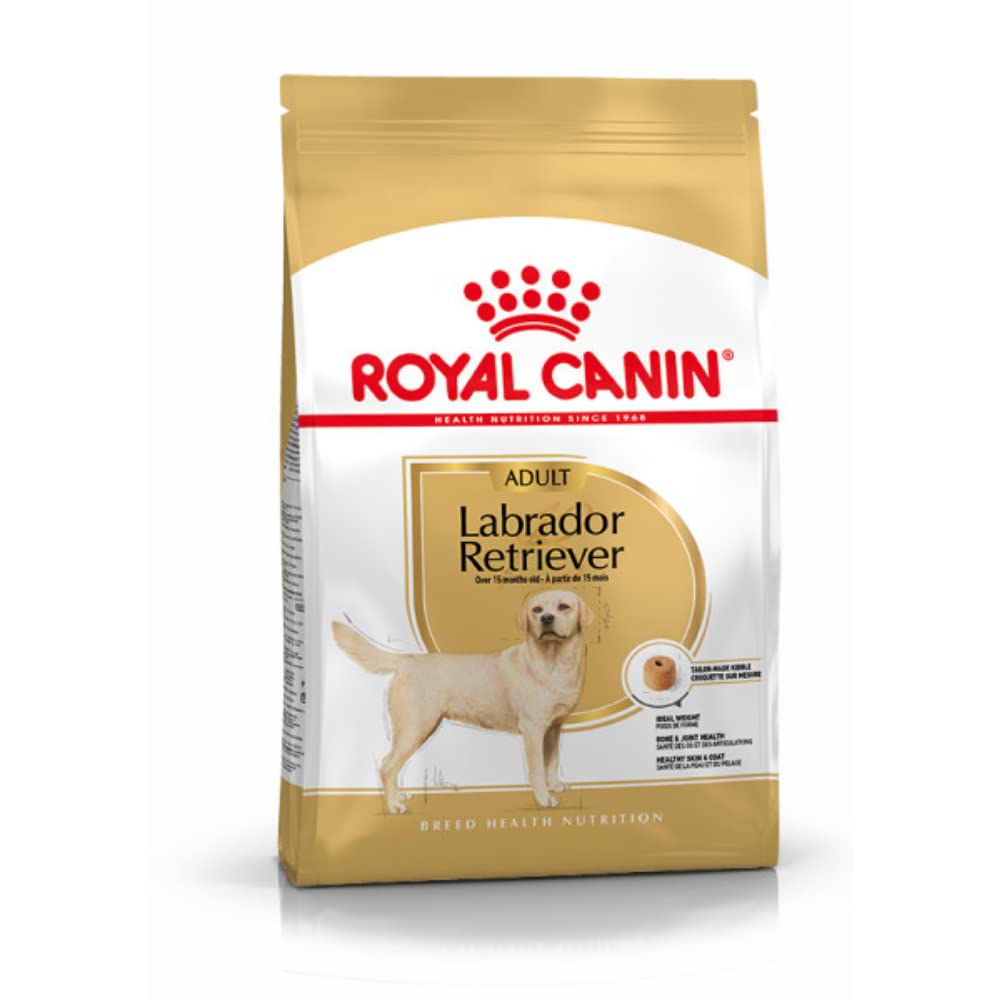
A reasonable place to start if you're unsure
Best for: Adult Labrador Retrievers specifically
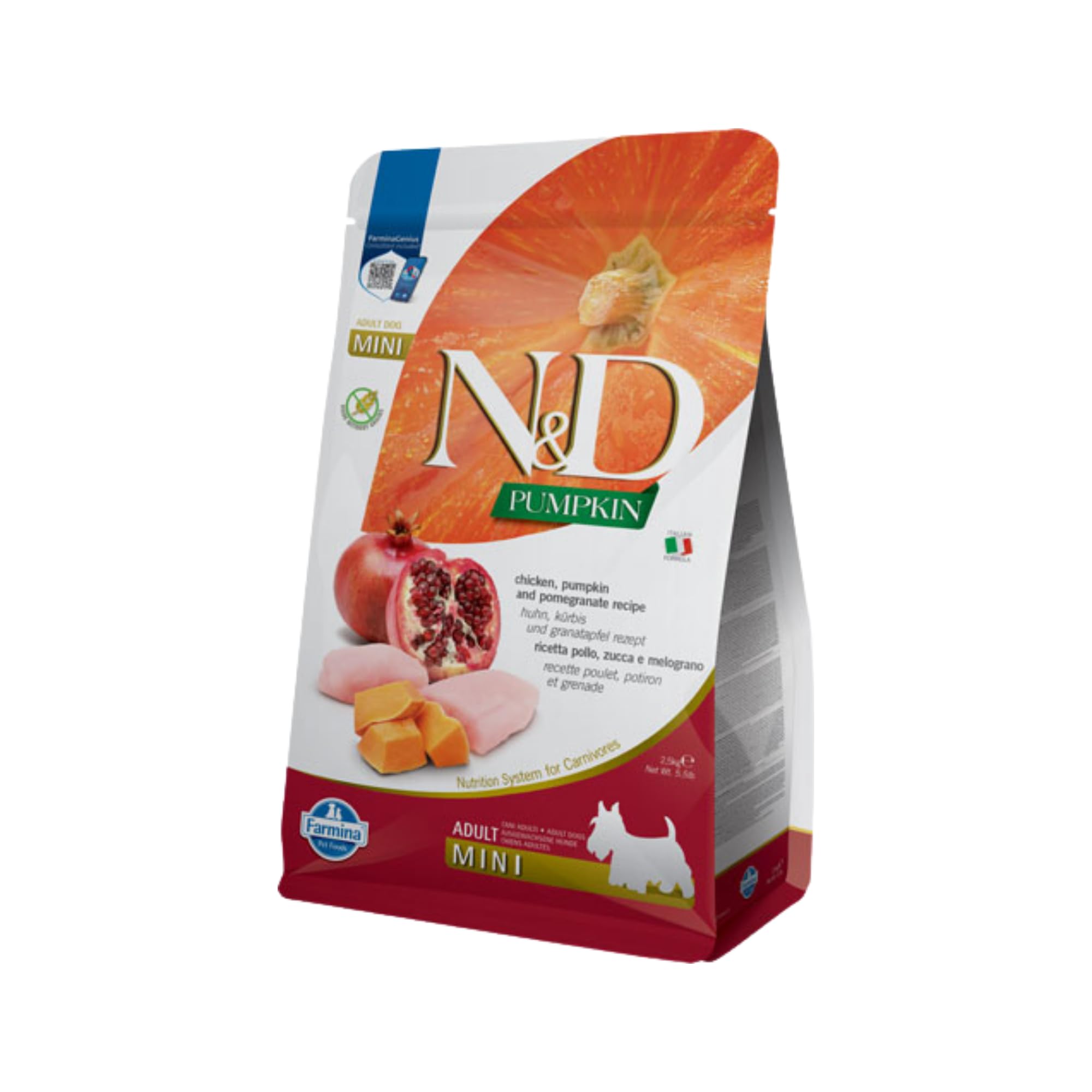
Best for: Ingredient-transparency-focused owners, or a dog with a vet-confirmed grain sensitivity
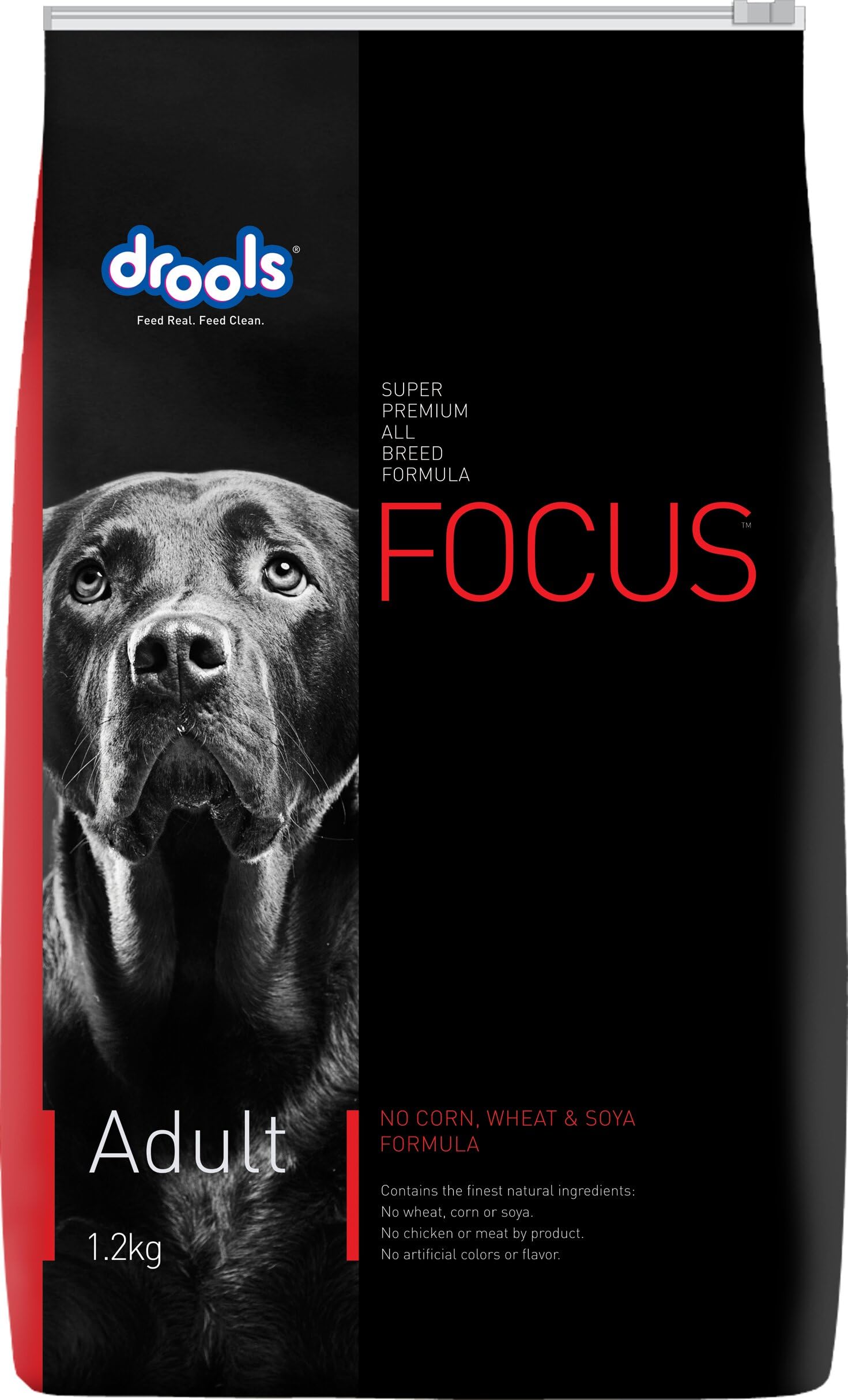
Best for: Healthy adult dogs with no special medical need, on a real household budget

Best for: Large-breed dogs where you want a WSAVA-compliant formula from a different major brand than what you're already using

Best for: Large-breed adult dogs where you want a manufacturer-trust standard you can actually verify, not just a bag that says premium
Premium Dry Food

A reasonable place to start if you're unsure
Best for: Owners prioritizing maximum animal-protein content and willing to pay for it

Best for: Large breed dogs, and households wanting to buy in bulk rather than repurchasing small bags

Best for: Dogs with dry skin, coat dullness, or chicken sensitivities who might benefit from a duck-based recipe
Common questions about food
Is grain-free dog food actually better?
Not automatically. It's only a meaningful upgrade if your dog has a vet-confirmed grain sensitivity. For most healthy dogs, it's just a different formulation at a higher price, not an actual health benefit.
Do joint supplements actually help dogs?
For prevention and mild stiffness, glucosamine-based supplements have decent supporting evidence and are worth trying, especially in senior or large-breed dogs. They take weeks of regular use to show any effect, and they won't reverse existing joint damage. If your dog is already limping or in pain, see a vet before reaching for a supplement.